
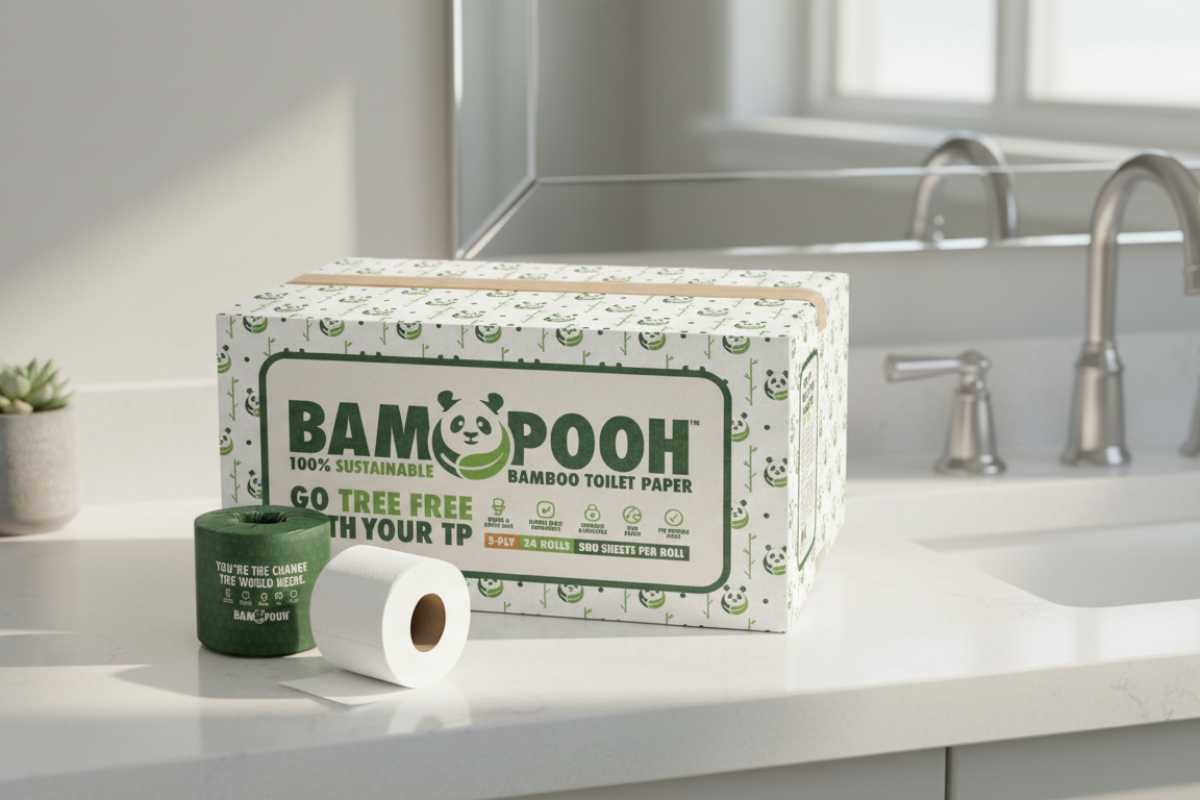
In the age of climate change, plastic bans, and conscious consumerism, even the most basic daily habits are under scrutiny. One surprising product leading the green revolution is bamboo toilet paper. But is it truly better than traditional tree-based toilet paper? And is bamboo toilet paper really worth it?
In this article, we break down the truth behind the bamboo boom, analyze how it stacks up in cost and comfort, and explore why brands like Bampooh are changing the way we wipe... for good.
The Problem With Traditional Toilet Paper
Let’s start with the uncomfortable truth. Conventional toilet paper, made from virgin tree pulp, is one of the most wasteful paper products on the planet.
The average American uses over 140 rolls per year, and nearly all of it is single-use, non-recyclable, and non-compostable. That means millions of trees are cut down annually just to create a product we flush in seconds. According to the NRDC, major brands like Charmin and Cottonelle still rely heavily on virgin boreal forests.
Not only is this unsustainable, but the production process also involves chlorine bleaching, water waste, and greenhouse gas emissions.
What Is Bamboo Toilet Paper?
Bamboo toilet paper is made from fast-growing bamboo stalks, a renewable grass that can regrow after harvesting without replanting. It requires no pesticides, minimal water, and absorbs up to 5 times more carbon dioxide than trees.
Bamboo is naturally antibacterial, hypoallergenic, and strong making it an ideal alternative for creating soft, strong, and sustainable toilet paper.
Environmental Benefits of Bamboo Toilet Paper
So what makes bamboo toilet paper a genuinely eco-friendly choice?
Renewability: Bamboo can grow up to 3 feet per day. Unlike trees, it regrows without being replanted, making it one of the most sustainable raw materials available.
No Deforestation: Brands like Bampooh don’t contribute to global tree loss or threaten natural habitats.
Low Water Usage: Bamboo consumes significantly less water than trees during growth.
Carbon Capture: Bamboo is one of the most effective plants at absorbing CO2, contributing to carbon sequestration.
Switching to bamboo TP can dramatically reduce your personal ecological footprint without sacrificing comfort.
Bamboo Toilet Paper vs. Tree-Based Toilet Paper
Let’s compare how bamboo toilet paper stacks up in critical areas:
Softness and Strength
Many people are surprised to find that bamboo toilet paper is just as soft and often stronger than traditional TP. Brands like Bampooh use a 3-ply construction that delivers a gentle yet durable wipe.
Unlike recycled toilet paper, which can be coarse and inconsistent, bamboo offers a smoother texture that doesn't compromise on eco-friendliness.
Cost
Historically, bamboo toilet paper cost more. But with the rise of brands like Bampooh, economies of scale and direct-to-consumer pricing have narrowed the gap. When purchased in bundles or subscriptions, bamboo TP is comparable in price per roll sometimes even cheaper over time.
Packaging
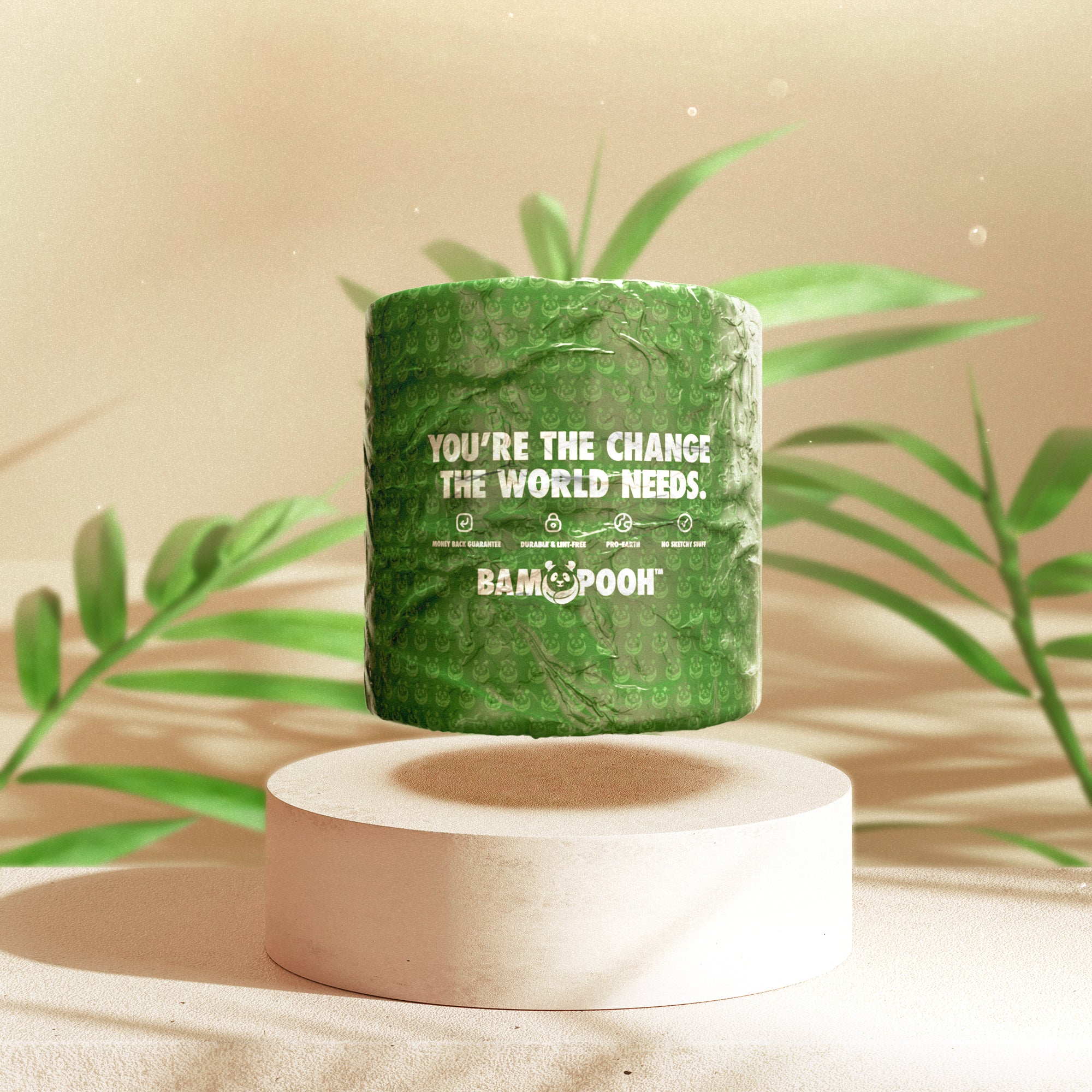
Most bamboo TP brands avoid plastic entirely. Bampooh, for example, ships with zero plastic, using recycled cardboard and soy-based inks for all packaging. That’s a double win for the environment.
Septic-Safe and Biodegradable
Bamboo toilet paper breaks down easily in water, making it safe for septic systems and RV toilets. It decomposes faster than traditional TP and is fully biodegradable.
Who Makes the Best Bamboo Toilet Paper?
There’s no shortage of options. Over the past few years, several bamboo TP companies have entered the market. Let’s take a look at five major players and how Bampooh stands out:
Who Gives A Crap
One of the most well-known bamboo toilet paper brands with a strong focus on charitable giving. While their bamboo rolls are popular, they’re pricier and ship from overseas.
Reel Paper
A US-based brand focusing on tree-free tissue. Their products are solid, but their plastic packaging has received mixed reviews.
Caboo
Offers bamboo-blend toilet paper but often uses sugarcane pulp, making it less pure and sometimes less soft. Available in big-box stores but with varying quality.
Betterway
A newer DTC brand with a focus on comfort. Their product is plush and well-packaged, but the pricing is at the high end of the market.
Grove Collaborative
Known for eco-conscious home goods, their bamboo TP is part of a broader lineup. It’s subscription-based but tied to their full ecosystem, which can make it less convenient if you're only looking for TP.
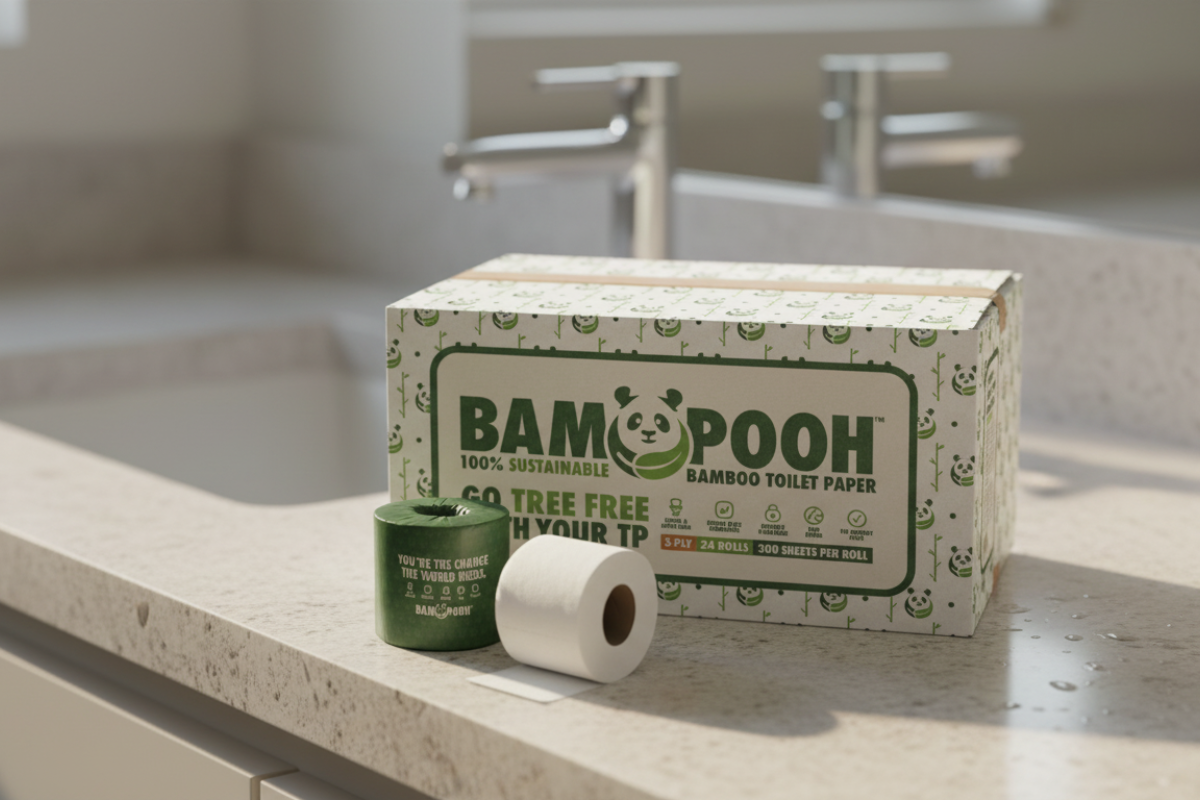
Bampooh
Bampooh combines quality, sustainability, and price in one box. Each roll is:
Made from 100% premium bamboo
Plastic-free, bleach-free, and chlorine-free
Packaged in carbon-conscious boxes
Available on a flexible subscription model via Shopify and Recharge
Shipped within the US from a family-run warehouse
For shoppers who care about eco-friendliness, cost-efficiency, and convenience, Bampooh is quickly becoming the go-to brand.
Why Bampooh Was Created
Most eco-brands focus on feel-good marketing. Bampooh was built differently from the ground up to be lean, transparent, and subscription-smart.
By storing inventory locally, skipping retail markups, and fulfilling orders from a family warehouse, Bampooh can offer better margins, faster delivery, and a smaller carbon footprint.
Unlike big players, Bampooh doesn’t hide behind glossy branding or inflate prices. It's bamboo toilet paper made by people who actually use it.
Is Bamboo Toilet Paper Worth the Switch?
If you’re still using traditional tree-based TP, here are a few key reasons to consider making the switch:
You’ll help reduce deforestation and carbon emissions
You’ll support companies that invest in sustainable packaging and ethical sourcing
You won’t have to compromise on softness, strength, or convenience
You’ll likely spend the same or even save more with subscription discounts
A small switch in your bathroom routine can make a big difference in the world.
Frequently Asked Questions About Bamboo Toilet Paper
Is bamboo toilet paper really better for the environment?
Yes. Bamboo is more renewable, grows faster, and uses less water than trees. It also requires no pesticides and captures more CO2 per acre.
Does it feel different than regular toilet paper?
Not really. In fact, most bamboo TP feels softer and stronger. Brands like Bampooh use a 3-ply blend that balances comfort and durability.
Is bamboo toilet paper more expensive?
Not anymore. With direct-to-consumer pricing, bamboo TP is often price-matched with traditional brands. Subscriptions and bundle deals make it even cheaper.
Is it septic-safe?
Absolutely. Bamboo breaks down quickly and is perfect for septic tanks, RVs, and low-flow toilets.
Why should I choose Bampooh over other brands?
Because Bampooh is a lean, US-based company that ships fast, minimizes waste, and offers high-quality bamboo toilet paper without the fluff.
Conclusion: Bampooh and the Future of Wiping Responsibly
The writing’s on the wall and on the roll. Consumers are shifting toward better products that are kind to the planet and easy to adopt.
Toilet paper might not seem like a revolutionary change, but it’s often the most overlooked part of a sustainable lifestyle. By switching to bamboo toilet paper, you’re sending a clear message: small choices matter.
And with brands like Bampooh, those small choices feel good on your conscience and your skin.